You are invited to the launch of Methods for Ecocritical Art History.
Join book’s editors Olga Smith and Andrew Patrizio for a presentation of readings from the book, with a focus on birds in multispecies perspectives on art and art history. A speculative fiction performance lecture by Hanna Tuulikki, the ‘Love Warbler’, invites us to rethink human-avian migration and kinship through imagined science, song, and storytelling.
—
Olga Smith is an art historian and curator, based at Newcastle University. The main thread connecting different topics in her research is a search for narratives of identity and belonging that are attuned to the realities of the globally connected world we inhabit today. Main publications include Contemporary Photography in France (2022) and Photography and Landscape (2019), as well as texts on trans-national identity, migration, and ecology. As curator, she has worked with institutions such as Tate, The Photographers Gallery and C/O Berlin. Her most recent project considers the overlapping issues of ecology, labour, and motherhood, in art and life.
—
Andrew Patrizio is a scholar of ecocriticism and ecological artists, based at the University of Edinburgh / Edinburgh College of Art. His publications include The Ecological Eye: Assembling an ecocritical art history (2019) and contributions to The Environmental Apocalypse: Interdisciplinary Reflections on the Climate Crisis (2022), Ilana Halperin. Felt Events (2022), and Picture Ecology: Art and Ecocriticism in Planetary Perspective (2021). He also curates, having worked with numerous artists, from Ilana Halperin, Yinka Shonibare, Alan Davie, Christine Borland, Mona Hatoum, Giuseppe Penone and Stefan Gec. He led the adoption of a new Arts, Culture and Heritage Policy for the Scottish Green Party and is part of the Edinburgh Environmental Humanities Network.
—
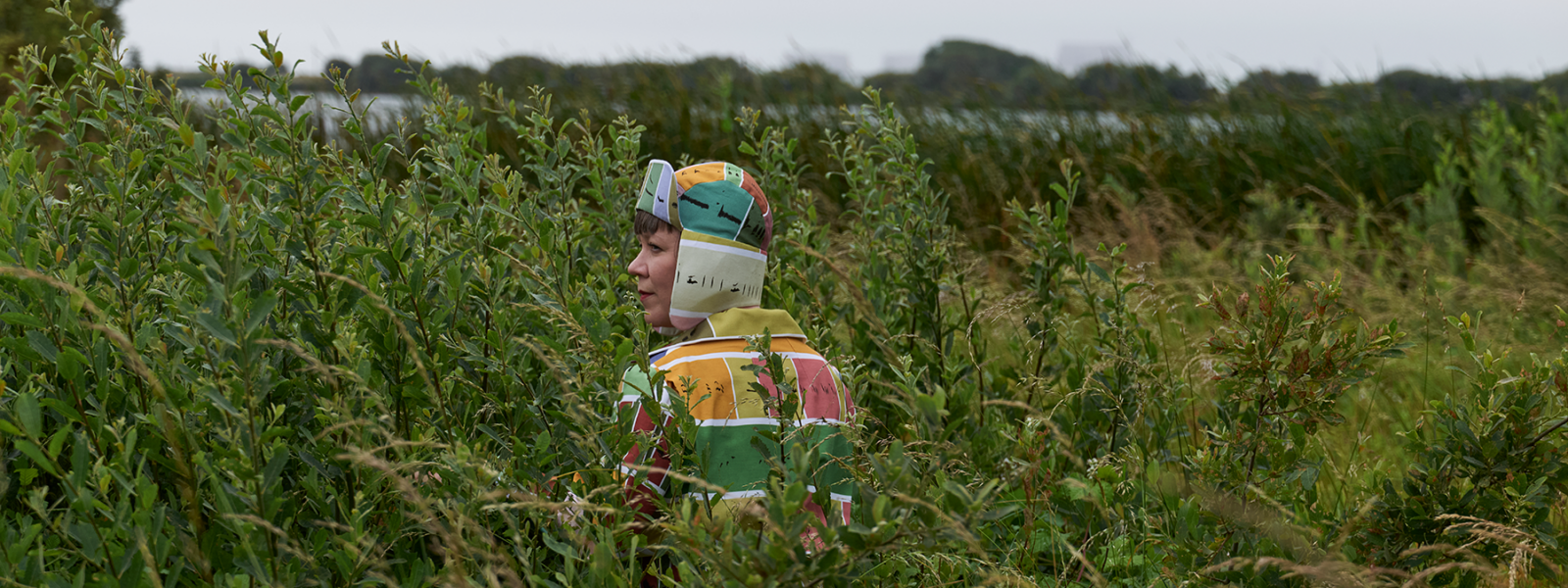
Hanna Tuulikki is a British-Finnish artist, composer, and performer based in Glasgow. Her work explores our connection with the more-than-human world. Practising across sound art, music, visual art, and live art, she blends sonic composition with ritual forms and visual elements – including costume, choreography, and graphic scores – to tell ‘stories of re-worlding’ through immersive installation and live performance. At the heart of her practice, Tuulikki works with the voice, weaving vocal textures, field recordings and electronics. Ecological research underpins her practice, particularly around multispecies kinship, sonic mimicry, and embodied vernacular knowledge. Her recent work examines the emotional dimensions of climate crisis and biodiversity loss, asking how art can help us navigate grief, wonder, and care. Tuulikki’s work has been presented internationally, and she is a recipient of the Paul Hamlyn Artist Award (2025), Henry Moore Artist Award (2025), and Oram Award (2024).